

WELCOME TO, WASTE IN MTWARA: OUR PROBLEM, OUR ACTION!!!
Hi! I’m a Year 9 student who cares about making a difference. Through this project, I represented Mtwara’s future by taking action, spreading awareness and showing that young people can help create a cleaner community!
Waste generation is an important issue that affects communities around the world, including Mtwara, Tanzania. When waste is not reduced, reused, recycled or disposed of properly, it can contribute to pollution and affect the environment and people living in the community.
In this project, I investigated to what extent can secondary school students reduce waste generation in their community. Through research such as, questionnaires, observations and my own actions, I explored the causes and effects of waste in Mtwara and looked at ways students can help create a cleaner environment.
This website shares my findings, evidence and actions. It also shows how my local experience in Mtwara connects to the wider global issue of waste and pollution, and how small actions within a community can contribute to stating global challenges.
WASTE IN MTWARA!
During my visit to Mtwara I noticed a major challenge: waste generation. Waste was scattered everywhere instead of being stored neatly. There were barely any trash cans or any allocated areas to throw the trash in, especially along the road, and in local areas, which contributed to the lack of cleanliness in the community.
The pictures below provide evidence of the waste I observed during my visit to Mtwara.
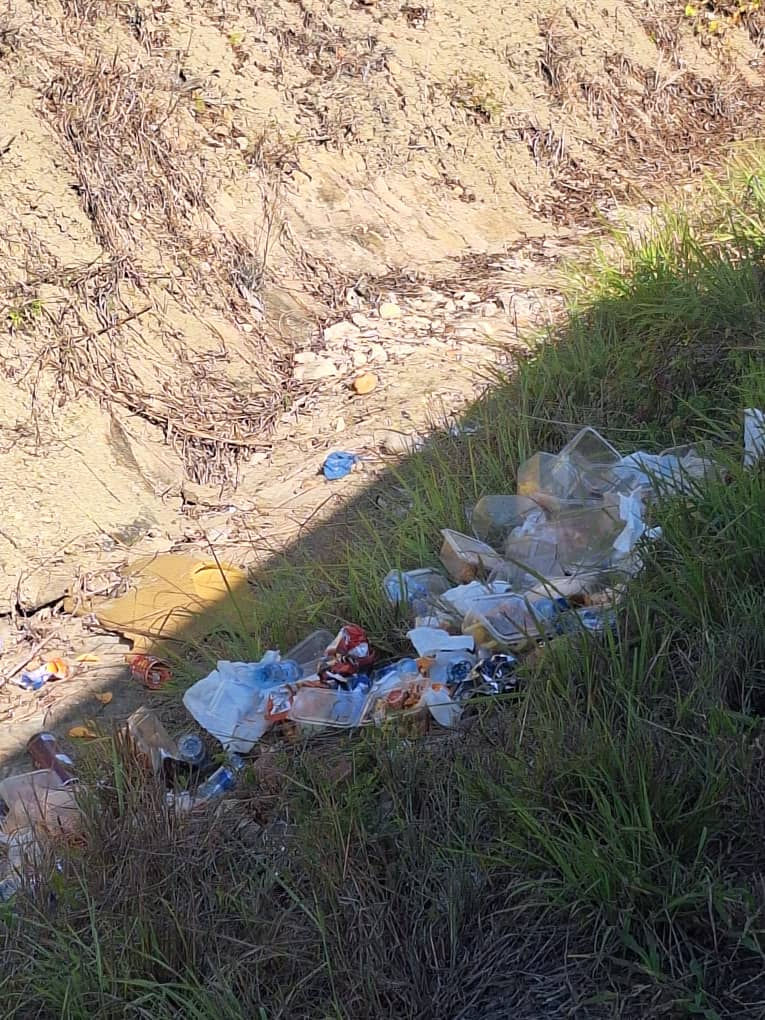
HERE IS AN EXAMPLE OF FOOD WASTE , WHERE CONTAINERS OF FOOD ARE VISIBLY SEEN, WITH REAMAINS STILL LEFT INSIDE.
A LOOK AT THE WASTE!
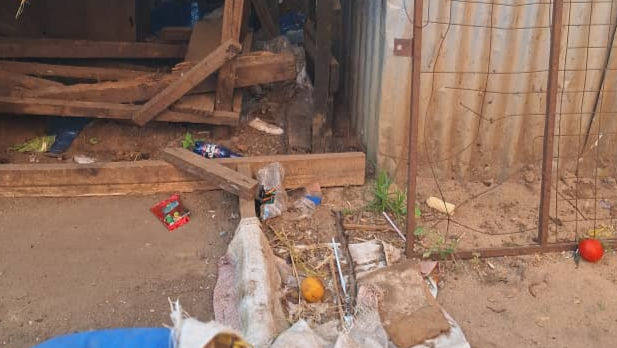
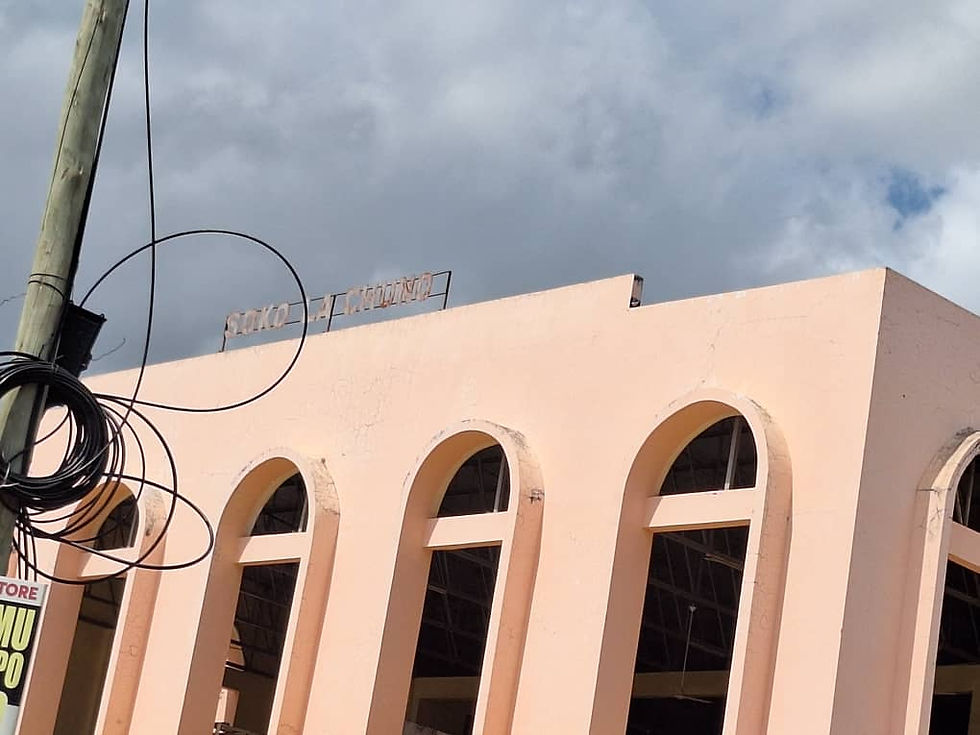
HERE IS ANOTHER EXAMPLE OF WASTE BEING SCATTERED IN SOKO LA CHUNO A MARKET WE VISITED.

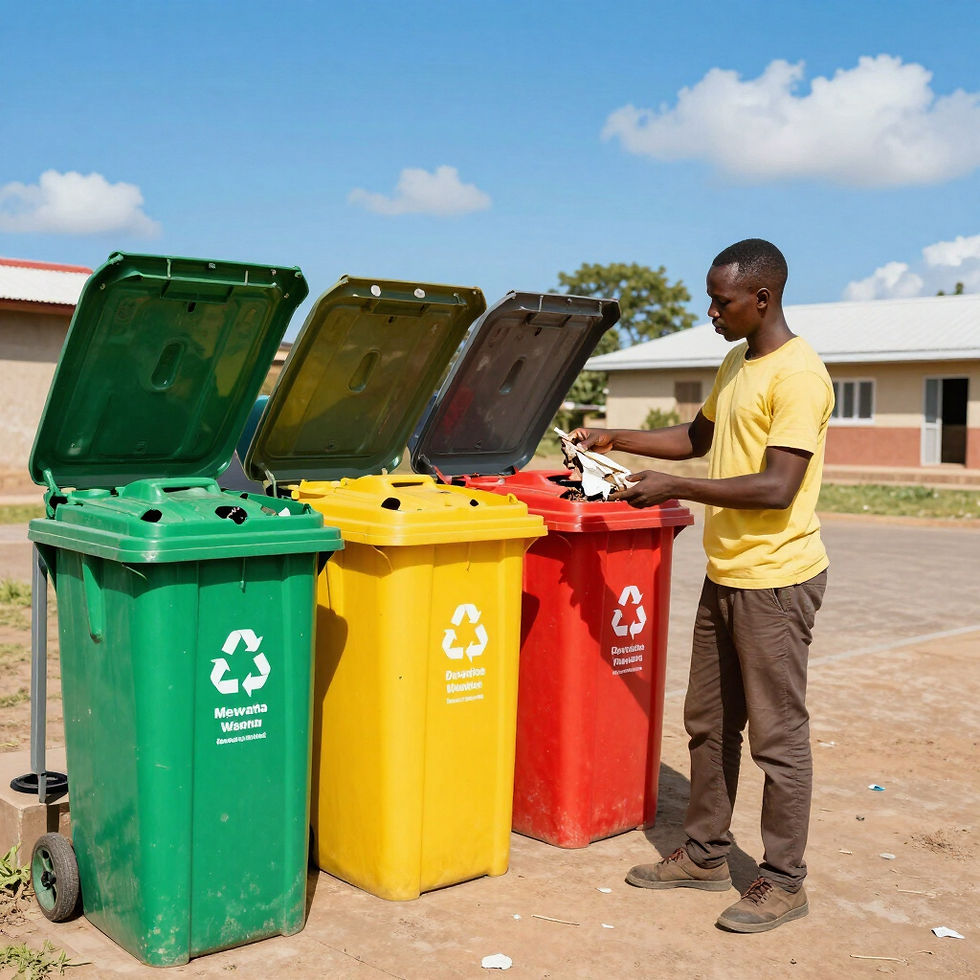
LASTY WAS WASTE BEING STORED PROPERLY SPECIFICALLY FOR PLASTIC.
CAUSES OF WASTE IN MTWARA.
The results I got from my questionnaire showed that rain can carry waste from different areas and collect it in other places. People also identified leftover materials from making, bringing and removing things as another cause of waste.
The results also showed that different sectors of the community produce different types of waste.
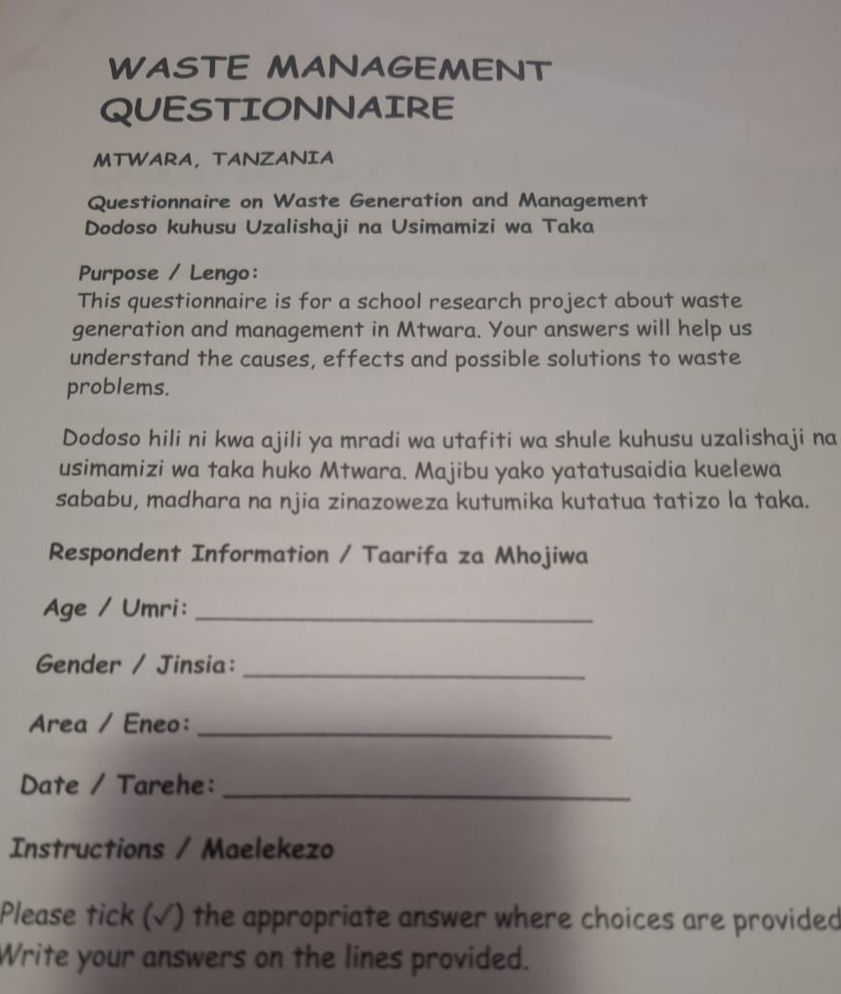
HERE IS A PICTURE OF THE MARKET WE VISITED AND PROOF OF THE QUESTIONAIRE THAT WAS USED!
DOWN BELOW IS A BARCHART CONCLUDION MY RESULTS !

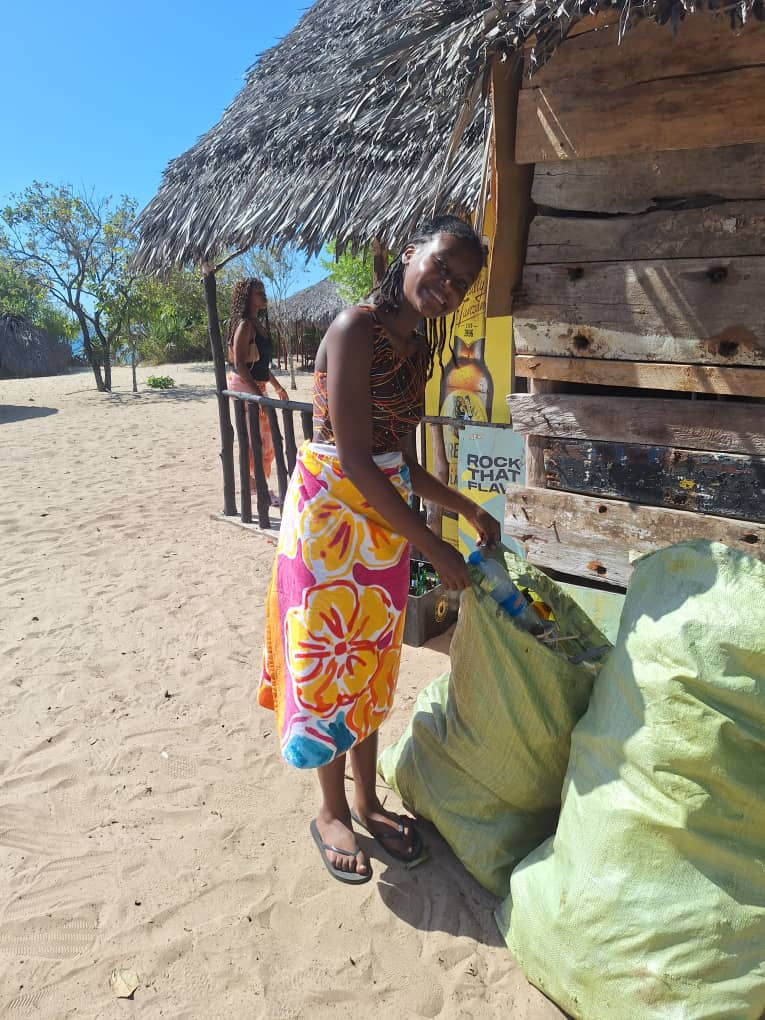
COMMUNITY RECYCLING EFFORTS AT THE BEACH
PICTURES OF ACTIONS!
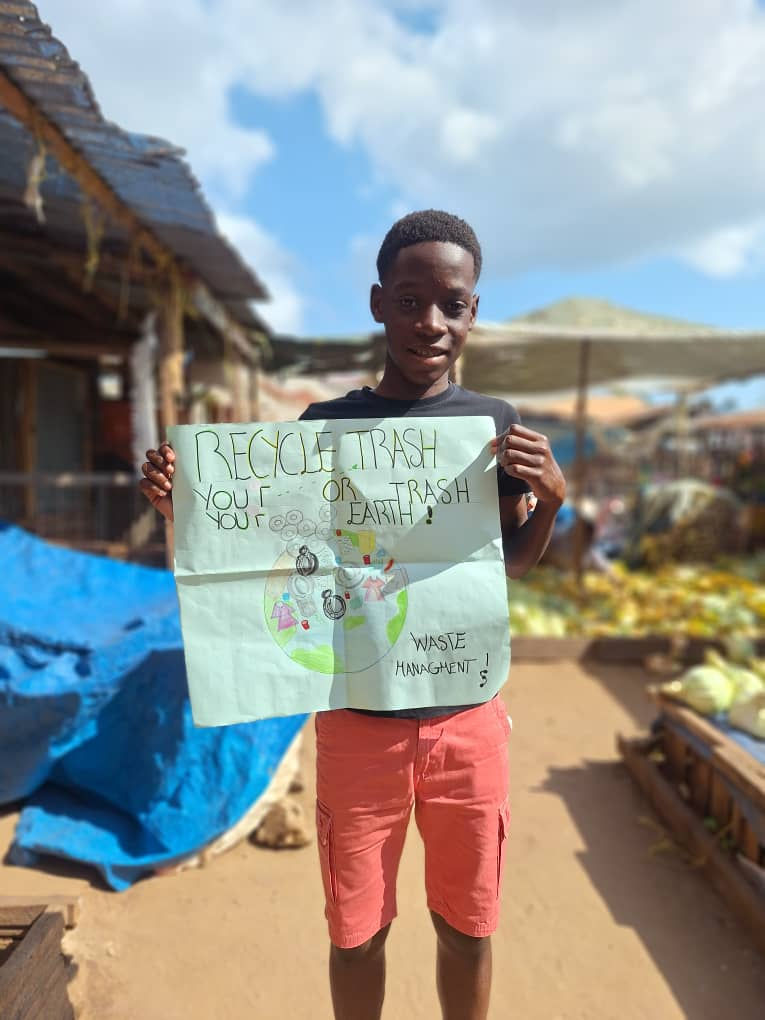
POSTER RAISING AWARENESS AMONG SECONDARY STUDENTS AT THE MARKET.

POSTER RAISING AWARNESS AT THE BEACH
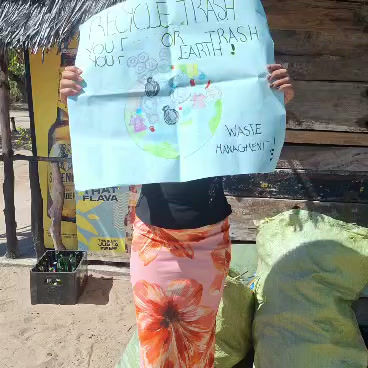
MORE EVIDENCE

SPREAD THE WORD!

DISSAPOINTED AT THE TRASH
FURTHER MORE PROGRESS OF CAMEPIENG HELD!.
ACTIONS SPEAK LOUDER THAN WORDS!
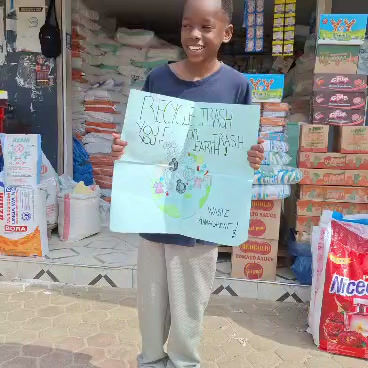
LAST SHOUT OUT!
DISSAPOINTING REACTIONS TOWARDS TRASH FOUND!

MARKET
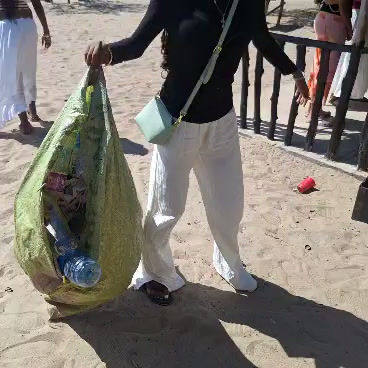
TRASH BEIGN DRAGGED
CLASSMATE CARRYING TRASH AWAY!
STUDENTS TAKING PART IN THE AWARENESS CAMPAIGN AT THE MTWARA MARKET CENTER.
LOCAL-GLOBAL!
During my visit to Mtwara, I saw different types of waste in the community and noticed that there were not enough bins. My questionnaire also showed that people think waste generation is increasing.
This connects to the global issue because waste generation is a problem in many communities around the world. The problems I saw in Mtwara can also happen in other places. This shows that students can help by reducing waste, reusing items, recycling and encouraging others to keep their communities clean.
My project shows that even though my actions were local, they are connected to a much bigger global problem.
MY FINAL THOUGHTS
Through my research and actions in Mtwara, I have learned that even small steps taken by students can trigger a massive wave of change. By addressing waste at our community and local markets, we are not just cleaning our streets—we are protecting our global future. Let's continue to action, educate, and lead Mtwara toward a greener tomorrow together! Overall, secondary school students can help reduce waste generation in their community, but they cannot solve the problem by themselves. Through my research and actions, I found that students can help by educating others, taking part in clean-ups, reusing materials and encouraging people not to litter.